
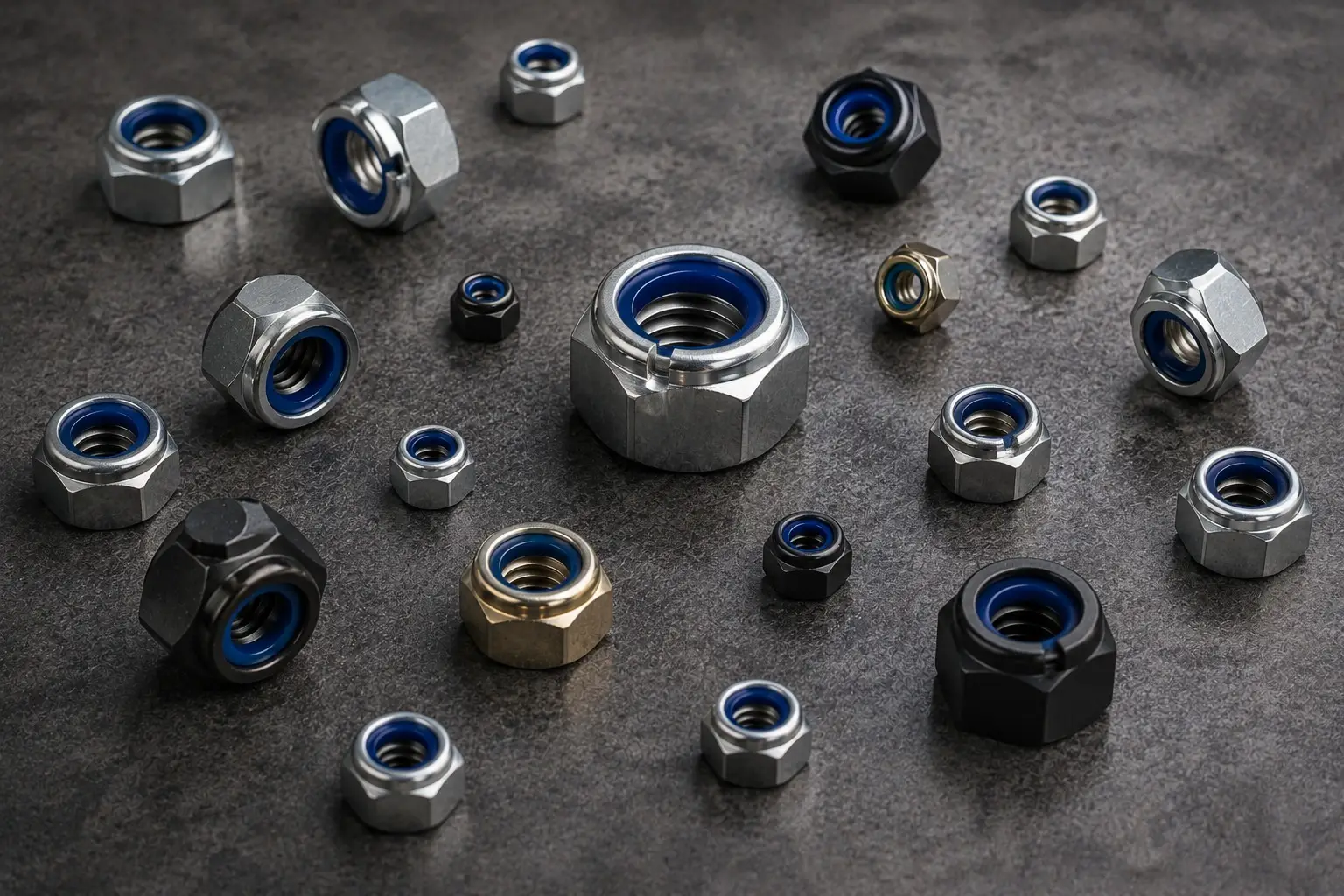
Understanding Nylock Nuts
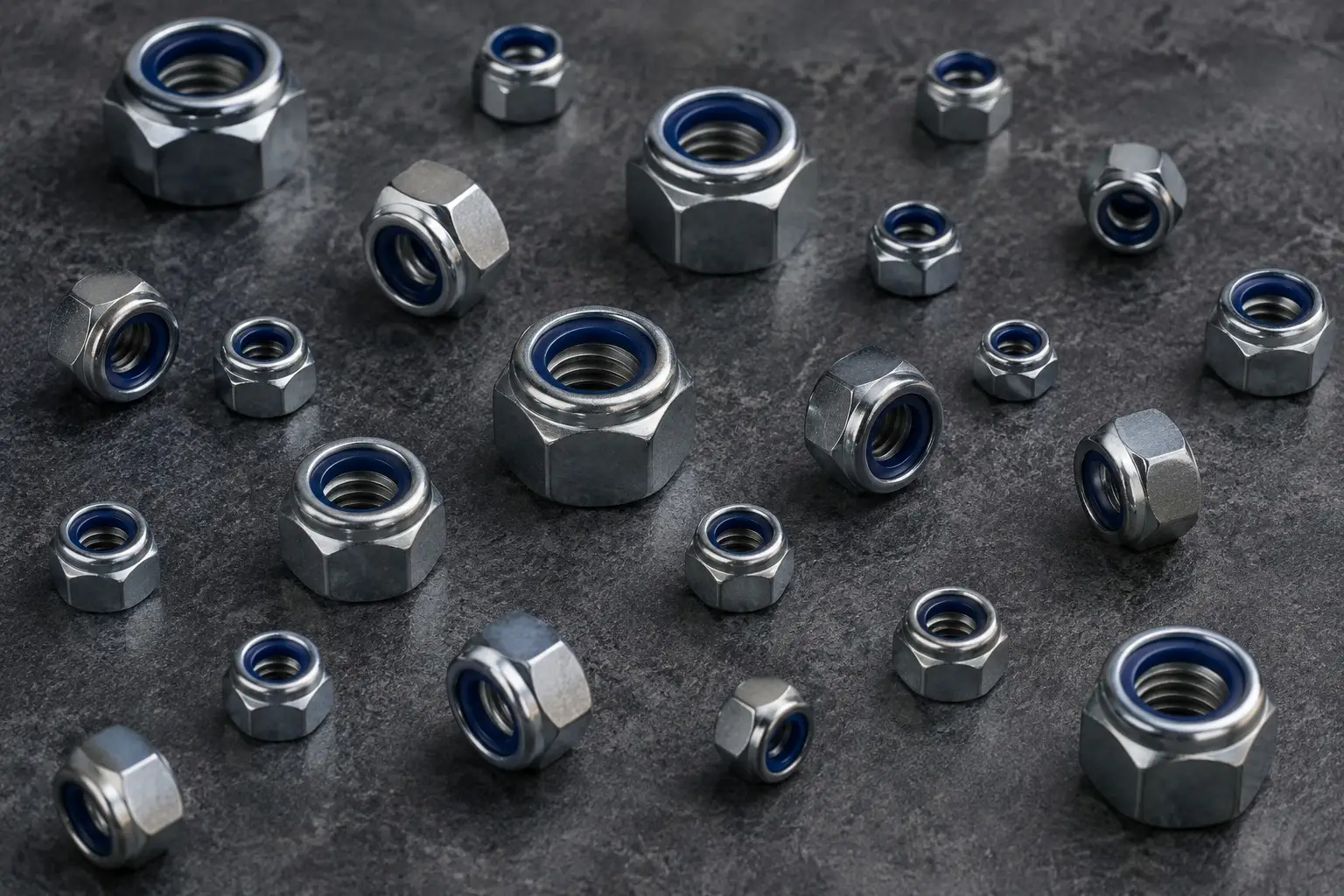
Nylock nut (short for nylon-insert lock nut) is a highly reliable, torque-resistant fastener that features a built-in nylon ring inside its top collar. When a bolt is threaded into the nut, it encounters this unthreaded nylon insert, forcing the bolt to cut or press its way through the plastic material. This intentional interference deforms the nylon tightly around the mating bolt threads, creating continuous, multidirectional friction that prevents the nut from backing off or loosening under intense vibration.
Unlike conventional lock washers that only function when fully tightened against a flat surface, a nylock nut maintains its secure grip even when it is not fully compressed or seated. This prevailing torque characteristic makes it an exceptional choice for assemblies that experience constant dynamic movement, shock, or varying loads. They are widely used across light industrial manufacturing, electronics, household appliances, and automotive assemblies.
While nylock nuts offer reliable performance and can be reused a limited number of times, their plastic components make them sensitive to operational environments. The standard nylon insert performs flawlessly under normal conditions but can lose its effectiveness if subjected to extreme heat exceeding 120°C, which can degrade or melt the ring. For such high-temperature applications, all-metal lock nuts are generally preferred over nylon-insert variants.
- Designed with a nylon insert for secure locking performance
- Prevents loosening due to vibration and movement
- Provides strong and reliable fastening in critical applications
- Made from high-quality steel for durability and strength
- Suitable for automotive, machinery, and industrial use
- Reusable in many non-critical applications
- Offers excellent resistance to wear and corrosion
- Ensures tight grip without the need for additional locking devices
Industries & Applications
Why Choose Our Premium Nylock Nuts?
In environments where constant vibration and shifting dynamic loads can cause standard fasteners to back off, our premium nylock nuts offer the ultimate safeguarding solution. By utilizing a high-grade, resilient nylon insert, these nuts lock seamlessly onto the bolt threads to create a reliable, vibration-proof joint. Choosing our nylock nuts means protecting your equipment from unexpected loosening, minimizing maintenance downtime, and ensuring the structural integrity of your assemblies.
Our nylock nuts are precision-manufactured alongside our main industrial fastener range to guarantee exact thread tolerances and smooth installations. The integrated nylon collar not only resists heavy mechanical shocks but also provides a tight friction barrier that seals the threads against moisture and minor fluid leaks. Streamlined for rapid production line assembly, they eliminate the hassle and cost of handling separate lock washers, making them the most efficient choice for your manufacturing needs.
Frequently asked questions
Inside the top collar of the nut is a built-in nylon ring. When a bolt enters, its threads force their way through this unthreaded ring, squeezing the nylon. This creates a powerful, constant friction grip around the bolt threads that prevents the nut from backing off under heavy vibration.
No, you don’t. The integrated nylon insert acts as the complete locking mechanism. This eliminates the need for separate split-ring or star lock washers, saving you extra material costs and reducing assembly time on the production line.
Yes, they can be reused a limited number of times for non-critical applications. However, each time you remove the nut, the bolt threads wear down the nylon insert, which slightly reduces its gripping torque. For high-safety or heavy industrial loads, it is best to use a fresh nylock nut.
Our standard industrial nylock nuts perform reliably in temperatures up to 120°C (248°F). Beyond this point, the nylon insert begins to soften, melt, or degrade, which causes it to lose its locking capability. For high-heat environments like engines or exhaust systems, all-metal lock nuts should be used instead.
You can spin it by hand until the bolt threads touch the nylon insert at the top. Once the bolt hits the nylon, you will feel significant resistance. From that point on, you must use a wrench or power tool to drive the nut into its final tightened position.