
Our Goal is to Deliver Precision Flange Bolts That Eliminate Joint Failure

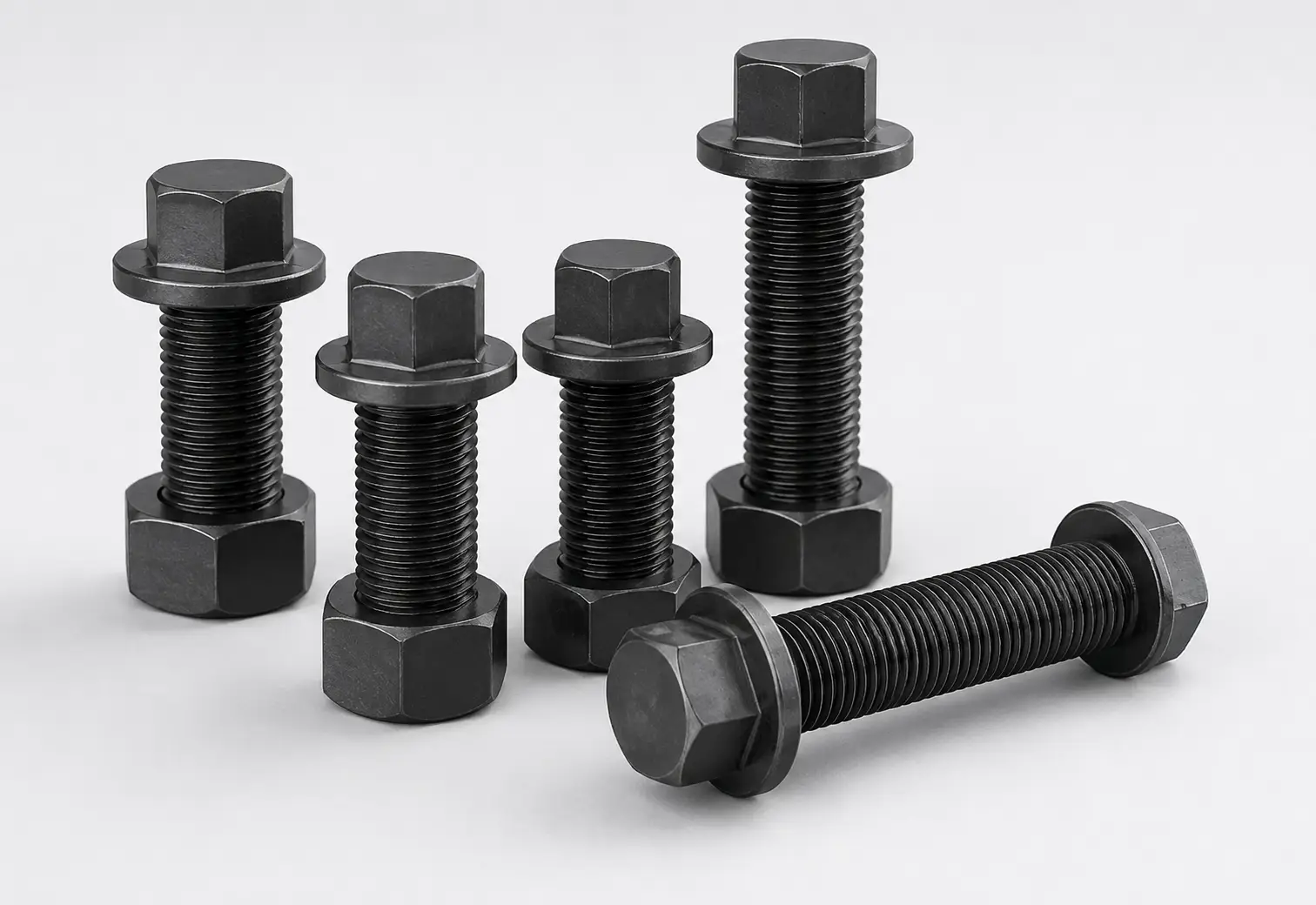
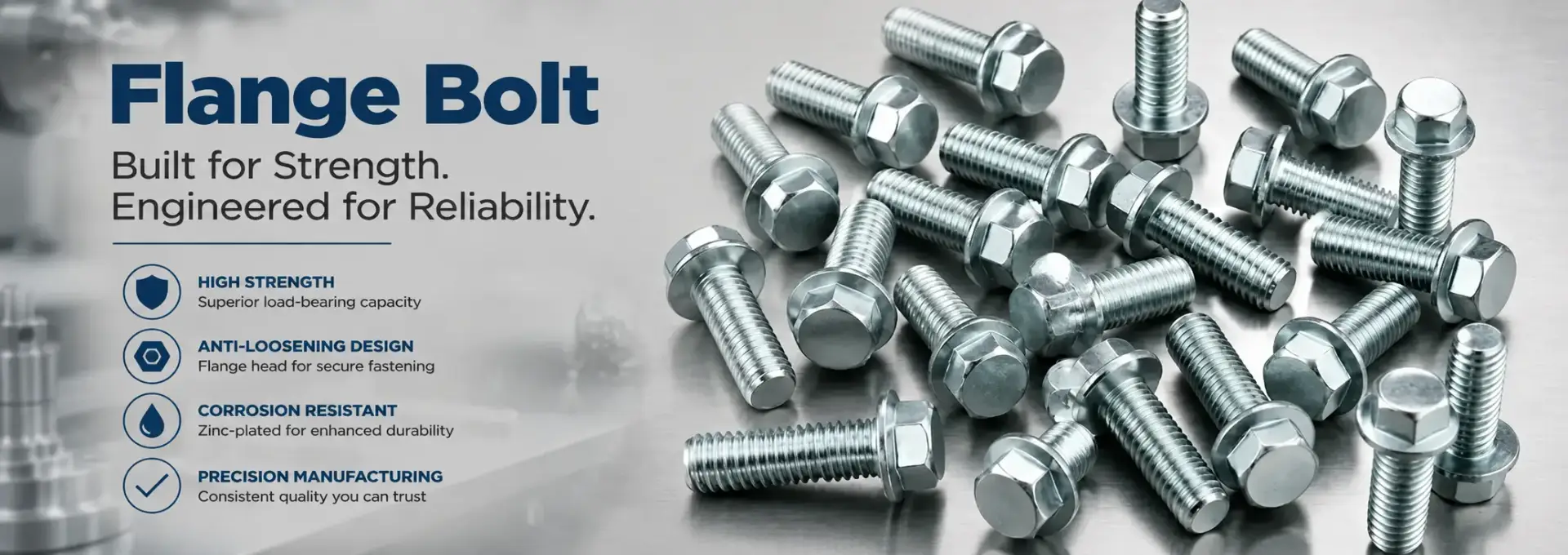
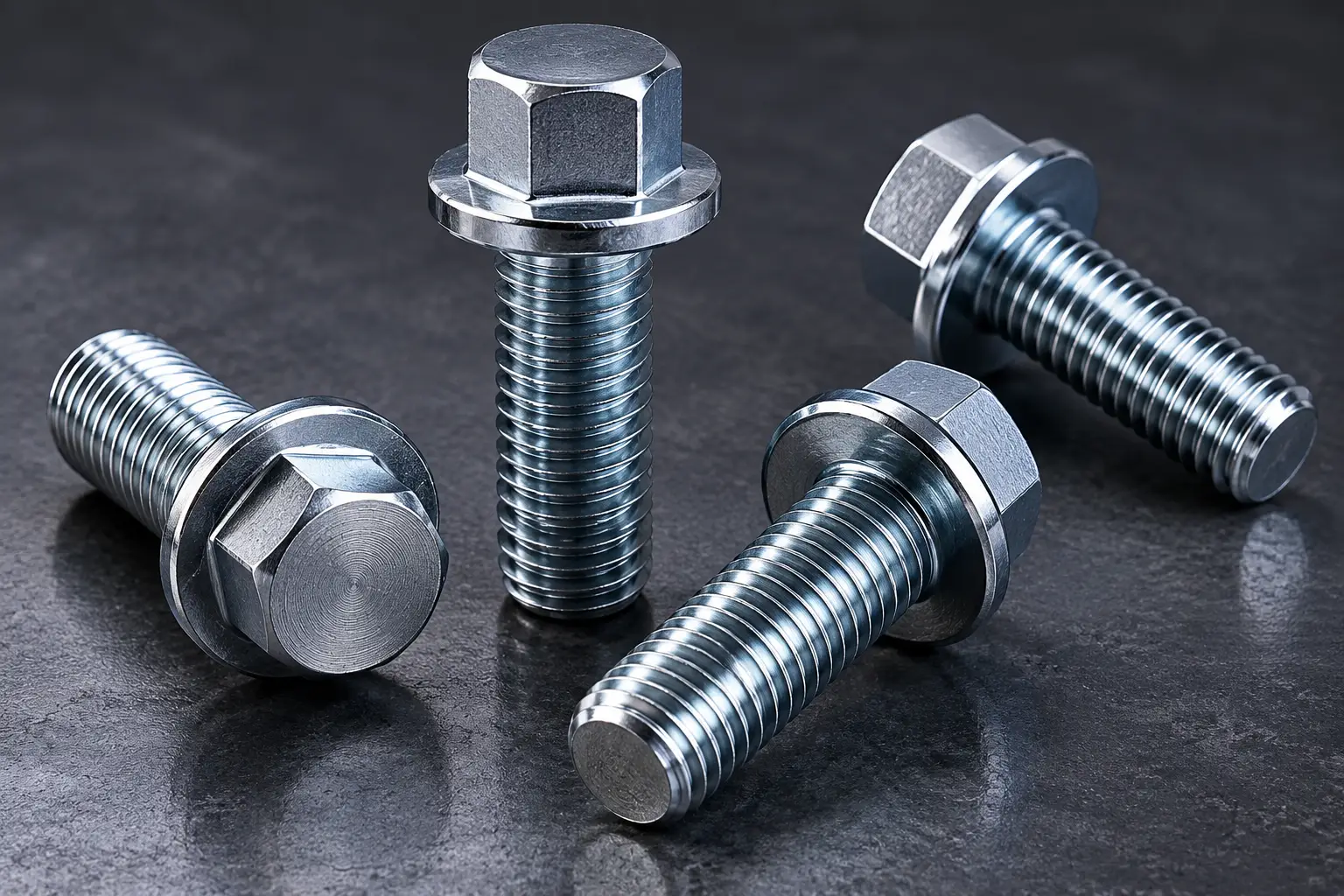
A flange bolt is a high-strength fastener featuring an integrated, washer-like circular flange directly beneath its hexagonal head. This single-piece design eliminates the need for separate washers, reducing assembly time and preventing components from shifting under intense vibrations. The wide flange distributes clamping forces evenly to prevent material damage, and it comes in either smooth styles to protect surfaces or serrated styles that bite into metal to resist loosening.

Manufactured to strict standards like DIN 6921, these bolts are available in high-tensile carbon or alloy steel grades (such as Class 8.8, 10.9, and 12.9) to handle massive structural loads. They come in fully threaded versions for pre-tapped holes or partially threaded versions with a solid shank for superior shear strength. This reliable design makes them essential for high-stress applications, including heavy machinery, high-pressure piping, and outdoor solar panel mounting structures.

  • Integrated washer design
  • Efficient load distribution
  • Vibration resistance
  • Surface protection
  • High shear strength
  • Predictable torque
  • Industrial grades and standards
  • Critical structural uses


Hex Flange Bolts

These feature a hex head with a built-in flange and are widely used in automotive, machinery, and structures. While smooth variants are standard, serrated versions are chosen for high-vibration areas like engine and suspension mounts.

Non-Serrated Flange Bolts

These bolts have a smooth flat surface that distributes pressure evenly without marking or scratching the material. They are perfect for protecting precision equipment, electrical enclosures, and painted or coated surfaces.

Why Choose Flange Bolts for Industrial Fastening?

Choosing a flange bolt is highly advantageous because its single-piece engineering entirely eliminates the need for separate flat or lock washers, which slashes assembly line time and drastically reduces loose parts inventory. The built-in circular flange provides a much wider surface area than a standard hex bolt, allowing it to distribute heavy clamping forces evenly across the mating material to prevent cracking, crushing, or surface deformation. This wide footprint also enables the fastener to easily span oversized, slotted, or slightly misaligned structural holes while maintaining a secure hold. Additionally, because there are no loose components to shift or slide, friction remains completely uniform during installation, resulting in highly precise torque calculations and maximum joint integrity. For demanding environments, opting for a serrated flange style provides an aggressive mechanical lock that bites directly into the surface to stop the bolt from backing out under heavy dynamic stress, while the solid, unthreaded shank on partially threaded versions delivers exceptional shear strength against intense sideways cutting forces.

No. The built-in flange replaces flat washers completely, distributing pressure evenly and stopping loose components from shifting.

It is not recommended. The locking ridges flatten and bite into the surface during the first installation, losing their grip if used again.

It is a flange bolt with an indented hex head and an undercut shank. It is designed to flex and absorb twisting forces in automotive chassis.

Use a partially threaded flange bolt when the joint faces heavy sideways cutting forces (shear stress), as the solid shank is much stronger.

For heavy industrial work, they are commonly made in metric Classes 8.8, 10.9, and 12.9, or imperial Grade 5 and Grade 8 alloy steel.